
Roofing permits and contractor licensing in Connecticut: what homeowners should know
By Hannah Haddad · Updated 2026-07-08
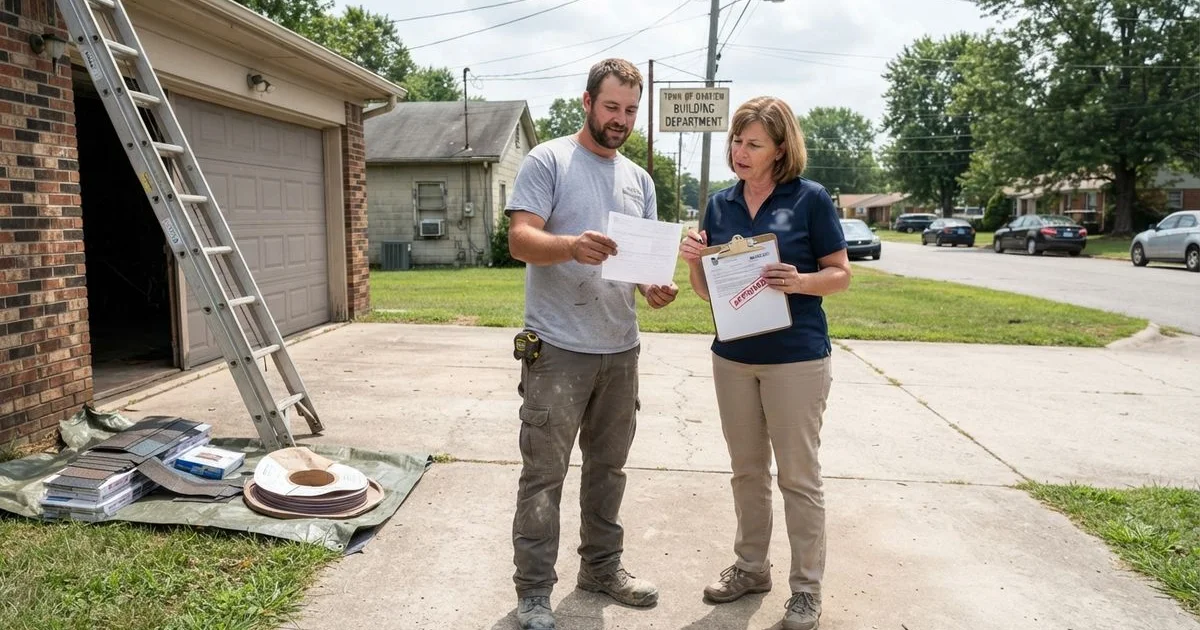
This is general information, not legal advice. Permit and licensing rules vary by municipality and can change, so confirm current requirements with your local building department before starting a project.
Permits and contractor registration rarely come up until something goes wrong, at which point they matter a great deal, whether that’s a home sale inspection, an insurance claim, or a dispute with the contractor. Knowing the basics before you sign a contract avoids most of the trouble.
When a permit is typically required
Most towns and cities in Connecticut require a building permit for a full roof tear-off and replacement, since the work touches structural elements like decking and affects the building’s weatherproofing envelope. Requirements and exact thresholds vary by municipality, so what applies in one town isn’t guaranteed to apply exactly the same way in the next. A straightforward, minor repair, a handful of shingles or a small flashing fix, may not require a permit in most towns, but a full reroof almost always does.
The safest approach is asking your local building department directly, or asking your contractor point blank whether the job requires a permit and confirming they’ll pull it before work begins.
Contractor registration in Connecticut
Home improvement work in Connecticut, which covers most residential roofing projects, requires the contractor to be registered with the state’s Department of Consumer Protection. This registration is different from a professional license in some other trades, but it exists for the same reason: to create accountability and a paper trail if a dispute arises. Ask to see the registration number directly, and it’s reasonable to expect the contractor to provide it without hesitation.
Larger commercial jobs or certain specialty work can fall under different licensing categories. If your project is commercial or unusually large in scope, ask specifically which registration or license applies.
What the permit inspection actually checks
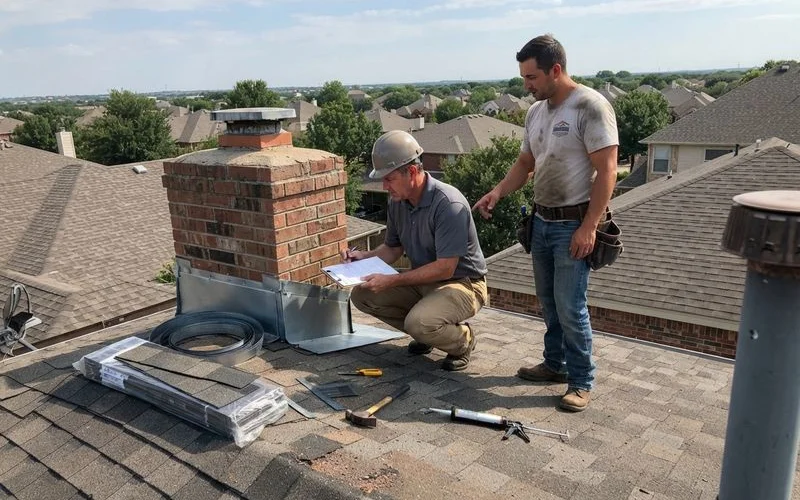
Once a permit is pulled, the job typically gets at least one inspection, sometimes two: a mid-job check after tear-off and before new material goes down, confirming decking condition and underlayment, and a final inspection once the roof is complete. Inspectors are checking against the state building code, which includes requirements like ice-and-water shield coverage at eaves and valleys and minimum attic ventilation ratios. These aren’t formalities; they catch the same issues that cause leaks and ice dams years later, before the roof is closed up and the problems are hidden.
Why permits protect you, not just the town
| Reason permits matter | What can go wrong without one |
|---|---|
| Inspection confirms code compliance | Improperly installed ventilation or flashing goes unnoticed until it fails |
| Documented record of the work | Harder to prove what was done if a dispute or insurance claim arises later |
| Required disclosure when selling | Unpermitted work can surface during a home sale inspection and delay closing |
| Ties the job to a registered contractor | Reduces the odds of hiring someone operating without accountability |
Red flags around permits and registration
Be cautious of any contractor who says a permit “isn’t necessary” for a full replacement without checking with the town first, or who asks you to pull the permit yourself under your own name. Both can be signs the contractor isn’t properly registered or is trying to avoid a paper trail tied to their business. A legitimate, established roofer handles permitting as a routine part of the job, not an afterthought.
Before you sign a contract
Confirm the contractor’s home improvement registration number, ask whether a permit is required for your specific project, and get written confirmation of who’s responsible for pulling it. These few questions take minutes and protect you from complications that can surface years later, especially at resale.
Keep a copy of the permit and final inspection sign-off with your other home records once the job is done. Buyers’ attorneys and mortgage lenders sometimes ask for this documentation during a future sale, and having it on hand avoids a scramble to track down records from a town office years after the fact. If you’re a landlord rather than an owner-occupant, permitting responsibility is only part of the picture; see our guide on landlord and tenant roof leak responsibilities in Connecticut for the rest. Our methodology explains how we factor licensing and registration into contractor scoring, and the full directory lists providers serving Greater Hartford.
FAQ
- Does a roof replacement always need a building permit in Connecticut?
- Most towns require a permit for a full tear-off and reroof, since it involves structural components like decking and affects the building envelope. Requirements vary by municipality, so confirm with your local building department or ask your contractor to pull the permit as part of the job.
- Who is responsible for pulling the permit, me or the contractor?
- Typically the contractor, since permits are usually tied to the licensed or registered business performing the work. If a contractor asks you to pull the permit yourself, ask why, since that can sometimes signal they aren't properly registered.
- What's the difference between a home improvement registration and a contractor license?
- Connecticut requires home improvement contractors, which covers most residential roofing work, to register with the Department of Consumer Protection. Certain larger commercial or specialty work may fall under different licensing categories. Ask which applies to your specific project.
- What happens if work is done without a required permit?
- Unpermitted work can create problems later: it may need to be exposed and reinspected before you sell the home, and it can complicate an insurance claim if damage occurs down the line. It's worth confirming permit status before, not after, the job is finished.