
Who fixes a leaking roof in a rental? Landlord and tenant responsibilities in Connecticut
By Hannah Haddad · Updated 2026-07-20
This is general information, not legal advice. Landlord-tenant law involves specific procedures and deadlines, so consult a tenant rights organization or an attorney for guidance on your specific situation.
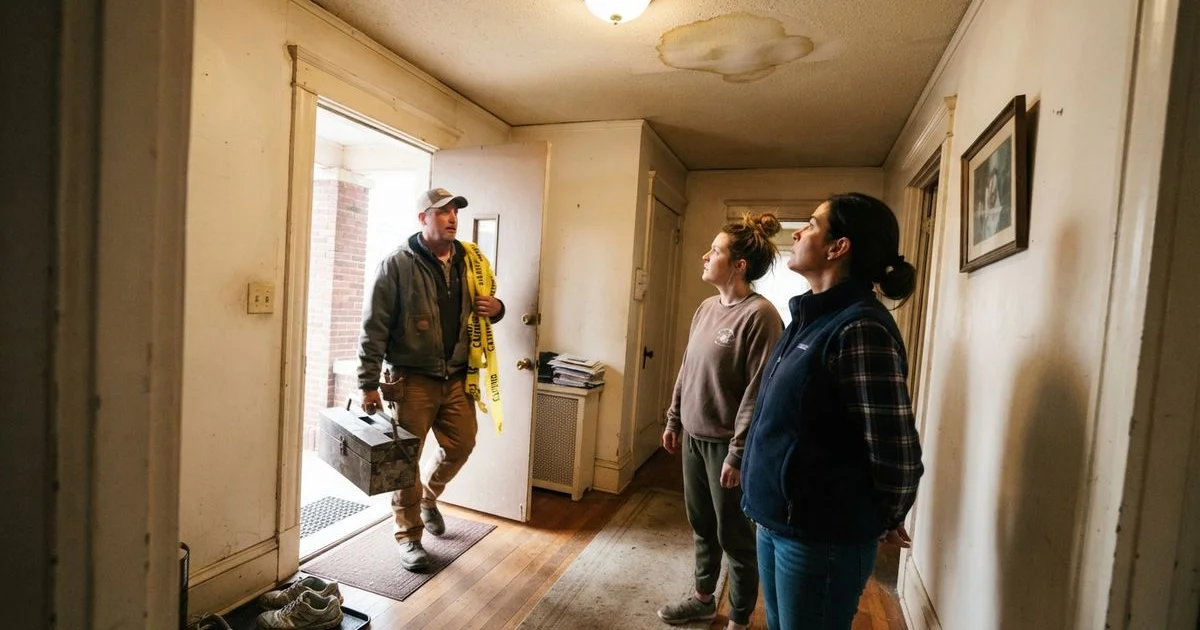
A leaking roof in a rental raises a question that isn’t always obvious to either side: who’s actually responsible for getting it fixed, and how fast. Connecticut law leans toward the landlord in most cases, but the details matter, especially when a repair gets delayed.
The general rule: it’s the landlord’s responsibility
Connecticut’s landlord-tenant law requires rental units to be kept in a fit and habitable condition, which includes a weatherproof roof and structure. A leaking roof that’s letting water into a living space isn’t something a tenant is expected to fix or pay for themselves. This holds whether the tenant caused the underlying condition to be discovered or not; a landlord can’t simply decline to act because the unit is occupied and the repair is inconvenient.
What a tenant should do when a leak starts
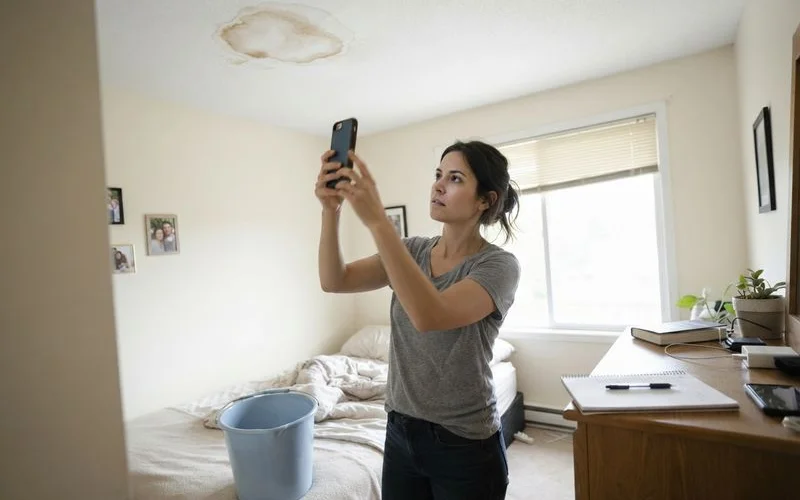
Document everything in writing from the first sign of a problem. Photograph the damage, note the date, and send written notice to the landlord, by text, email, or letter, rather than relying on a verbal conversation alone. Connecticut generally requires written notice before certain tenant remedies become available, so this step matters beyond just being a good record to have.
| Step | Why it matters |
|---|---|
| Photograph the leak and any damage immediately | Creates a dated record if the dispute drags on |
| Send written notice to the landlord | Often a legal prerequisite for further tenant remedies |
| Keep copies of all communication | Protects you if the landlord disputes when notice was given |
| Check your renters insurance policy | Typically covers your damaged belongings, though not the structure itself |
| Contact local housing officials if unresponsive | Provides a formal complaint path outside of direct negotiation |
If the landlord doesn’t respond
Connecticut has processes for tenants dealing with an unresponsive landlord on a habitability issue, including complaints to local health or building officials and, in more serious or prolonged cases, legal remedies through housing court. Withholding rent unilaterally is one option tenants sometimes consider, but doing it without following the correct legal procedure carries real eviction risk, so it’s worth getting guidance from a tenant rights organization or attorney before taking that step rather than after.
What a landlord should do once notified
A landlord who receives notice of a roof leak should arrange an inspection and repair within a reasonable timeframe, which depends on severity; an active leak causing ongoing damage warrants faster action than a minor, contained issue. Getting a written estimate from a roof repair contractor and communicating a repair timeline to the tenant, even if it takes a few days to schedule, goes a long way toward avoiding an escalated dispute. If the leak followed a storm, who ultimately pays for it can get more complicated than the usual landlord-fixes-it rule; see our guide on who’s liable when a roof leaks after a storm.
Where personal property fits in
The structural repair is the landlord’s responsibility, but damaged personal belongings, furniture, electronics, or other property affected by the leak, typically fall under the tenant’s own renters insurance policy, if they carry one. This is a separate question from who fixes the roof itself, and it’s worth both parties understanding the distinction clearly rather than assuming one policy covers everything.
Landlords typically carry their own property insurance covering the building itself, including the roof, but that policy generally excludes tenant belongings entirely. A tenant without renters insurance has no automatic coverage for damaged possessions even when the leak is clearly the landlord’s structural responsibility to fix, which is worth knowing before a leak happens rather than after.
Keeping the situation from escalating
Clear, prompt communication from both sides resolves most roof leak disputes before they become a legal matter. Tenants documenting the issue in writing and landlords responding within a reasonable window covers the large majority of cases without anyone needing to involve housing court. Our methodology explains how we score contractor responsiveness, useful information for landlords choosing who to call, and the full directory lists roofing providers serving Greater Hartford.
FAQ
- Is a landlord required to fix a leaking roof in Connecticut?
- Yes, generally. Connecticut law requires landlords to maintain rental units in a fit and habitable condition, which includes keeping the roof and structure weatherproof. A leaking roof affecting living conditions is normally the landlord's responsibility to repair.
- What can a tenant do if a landlord won't fix a roof leak?
- Document the problem in writing, including photos and dated notice to the landlord, since Connecticut generally requires written notice before further action is available. Options after that can include a complaint to local housing officials or, in serious cases, legal remedies, so consulting a tenant rights resource or attorney is worthwhile if the landlord doesn't respond.
- Is a tenant responsible for damage from a leak they didn't cause?
- Typically not for the structural repair itself, but a tenant's renters insurance, if they have it, usually covers their own damaged belongings. The roof and structure remain the landlord's responsibility regardless of whose policy covers personal property.
- Should a tenant withhold rent until a roof leak is fixed?
- This is a legally risky move without following the correct process, and doing it incorrectly can expose a tenant to eviction risk. Connecticut has specific procedures for this kind of dispute, so getting guidance before withholding rent is strongly advised.