
How to choose a roofing contractor in Greater Hartford
By Hannah Haddad · Updated 2026-06-15
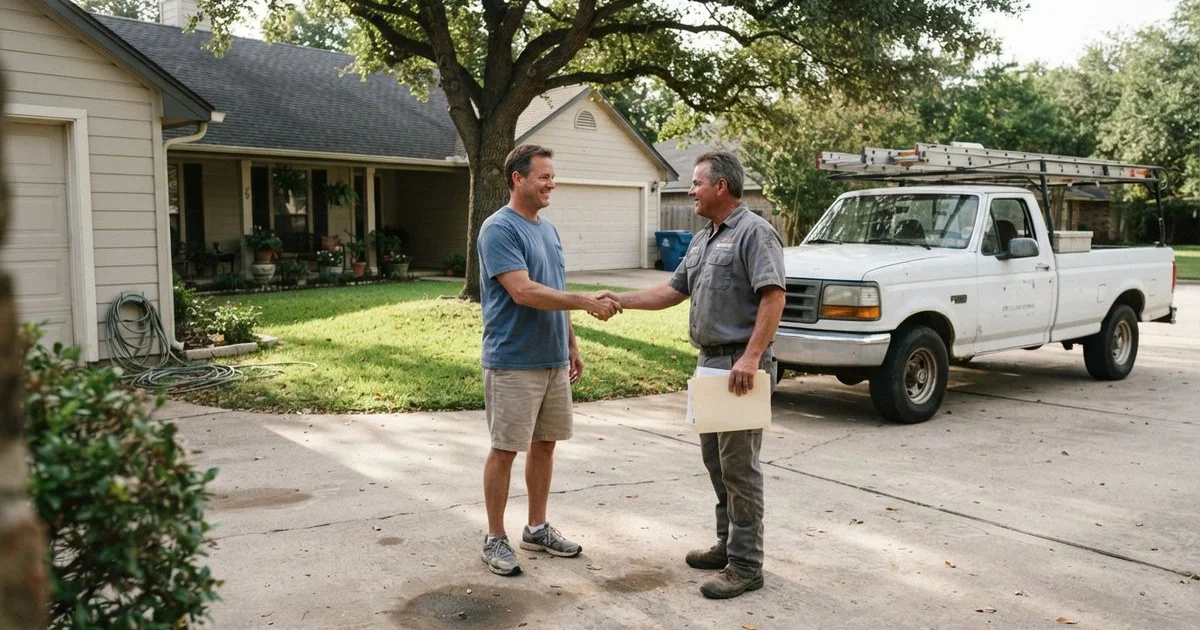
A new roof or a major repair is one of the largest checks most homeowners write, and the difference between a good hire and a bad one usually isn’t visible until a year or two later, when flashing fails or a warranty claim goes nowhere. Vetting a contractor properly before signing anything is the single most effective thing you can do on a roofing project.
Start with the directory of roofing contractors serving your area and treat it as a shortlist to narrow down, not a name to pick at random. From there, the vetting process is mostly about paperwork and questions, not gut feeling.
Confirm licensing and insurance first
In Connecticut, contractors doing home improvement work, including most residential roofing, are required to register with the state’s Department of Consumer Protection. Ask for the registration number directly and don’t treat a verbal “yes, we’re licensed” as confirmation. A contractor who hesitates or changes the subject is telling you something.
Insurance matters just as much. You want to see proof of general liability coverage and workers’ compensation. Without workers’ comp, an injury on your property during the job can become your financial problem, not the contractor’s. A legitimate company will hand over a certificate of insurance without being asked twice.
Get quotes that describe scope, not a bare number
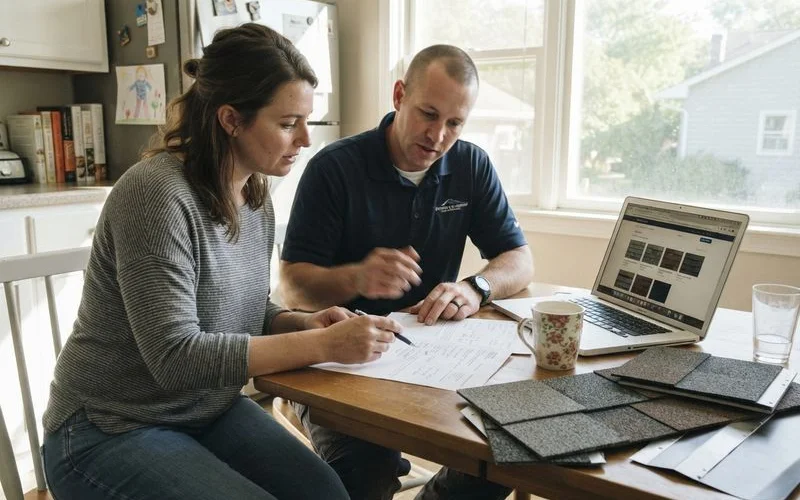
A quote that says “roof replacement: $14,500” tells you nothing about what happens if the crew finds rotten decking underneath the old shingles. Ask each bidder for a written scope that covers:
| What to check | Why it matters |
|---|---|
| Material brand and product line | Warranty coverage often depends on using a manufacturer-certified installer |
| Tear-off vs. overlay | Overlaying old shingles is cheaper but shortens the new roof’s life |
| Underlayment and flashing details | Where most leaks start if skipped or done cheaply |
| Decking repair cost per sheet | Should be quoted up front, not discovered as a surprise add-on |
| Cleanup and disposal | Confirm dumpster placement and a nail sweep are included |
| Payment schedule | A deposit is normal; full payment up front before work starts is not |
Getting this detail from three bidders lets you compare apples to apples instead of guessing why one number is lower than another.
Questions worth asking on the phone
Before anyone sets foot on your roof, ask how long the company has operated under its current name, whether they’re certified installers for the manufacturer whose shingles or panels you’re considering, and how they handle a legitimate warranty claim two years down the road. A contractor who answers these plainly, with specifics, is usually the one still around when you need them again.
Also ask what happens if it rains mid-job. A roof torn off and left exposed overnight because a crew didn’t plan around weather is a preventable disaster, and the answer tells you how the company actually operates on site.
Red flags worth walking away from
A few patterns show up again and again in complaints across the industry: pressure to sign the same day, a demand for full payment before work begins, no local address or a P.O. box only, and a business card with no company name printed on it. None of these alone is disqualifying, but two or more together is reason to keep looking.
Weigh reviews beyond the star average
A 4.8-star average built on 200 reviews is a different kind of evidence than the same average built on 6. Look past the number to what recent reviews actually describe: are people mentioning the same complaint repeatedly, like missed appointments or a crew that didn’t clean up, or is the feedback scattered and unrelated? Our ranking methodology explains how we weigh sentiment above the raw star rating for exactly this reason.
Bringing it together
Choosing a roofing contractor comes down to paperwork you verify and questions you actually ask out loud, not a feeling about who seems friendliest on the phone. Confirm registration and insurance, get a written scope from at least three bidders, ask about warranty follow-through, and treat pressure tactics as a warning sign rather than urgency. Once you’ve settled on a contractor, our guide to what to expect during a full roof replacement walks through the job from tear-off to final walkthrough. Head back to the homepage to browse the full list of scored contractors serving Greater Hartford.
FAQ
- How many quotes should I get before hiring a roofing contractor?
- Three is the usual minimum. It gives you enough spread to spot an outlier bid, whether that's suspiciously low or padded, and lets you compare scope, not just price.
- Does a roofing contractor in Connecticut need to be licensed?
- Home improvement work in Connecticut, including most residential roofing, requires the contractor to be registered with the state's Department of Consumer Protection. Ask to see the registration number and confirm it's current before signing anything.
- Is the cheapest quote usually the best deal?
- Not reliably. A quote well below the others often means thinner materials, a smaller crew working faster than the job allows, or costs that show up later as change orders. Compare what's included, not just the total.
- Should I hire a contractor who knocked on my door after a storm?
- Be cautious. Storm-chasing crews often move on before warranty work is needed. It's fine to consider one, but check for a permanent local address, current insurance, and reviews that predate the storm.