
Is roof damage covered by homeowners insurance in Connecticut?
By Hannah Haddad · Updated 2026-06-26
This is general information, not insurance or legal advice. Policy terms vary by insurer and by individual policy, so confirm coverage specifics directly with your provider.
A roof claim denial often comes down to documentation and timing more than the damage itself. Understanding what a standard homeowners policy typically covers, and what it usually excludes, helps you protect a legitimate claim before an adjuster ever shows up.
What’s typically covered
Most homeowners policies cover roof damage from sudden, identifiable events: wind, hail, a fallen tree limb, or fire. If a storm rips off a section of shingles or a branch punches through the decking, that’s the kind of damage insurers expect to pay for, provided the policy is active and the damage matches the event’s timing. Our storm damage roof repair page can connect you with a contractor for fast temporary and permanent fixes if that’s what you’re dealing with right now.
What’s typically excluded
Gradual wear is the most common exclusion. A roof that’s been slowly deteriorating for years and finally starts leaking is generally treated as a maintenance issue, not an insurable event, because standard policies cover sudden and accidental damage, not the ordinary aging process. Insurers can and do send adjusters who distinguish between a fresh puncture from a storm and years of granule loss and curling that predate it.
Age itself can also affect coverage. Many insurers pay actual cash value, the depreciated value of the roof, rather than full replacement cost once a roof passes roughly 15 to 20 years old. Some carriers decline to write new policies on older roofs without a recent inspection confirming condition.
Documenting a claim properly
| Step | Why it matters |
|---|---|
| Photograph damage immediately, before any repairs | Establishes the damage as it existed right after the event |
| Keep receipts for emergency tarping or temporary fixes | Most policies reimburse reasonable steps taken to prevent further damage |
| Get a written contractor estimate, not just a verbal number | Adjusters expect an itemized scope, not a lump sum |
| Report the claim promptly | Long delays between the event and the claim can raise questions about causation |
| Keep a copy of the adjuster’s report | Useful if you need to dispute a partial denial or lowball estimate |
Working with the adjuster and your contractor together
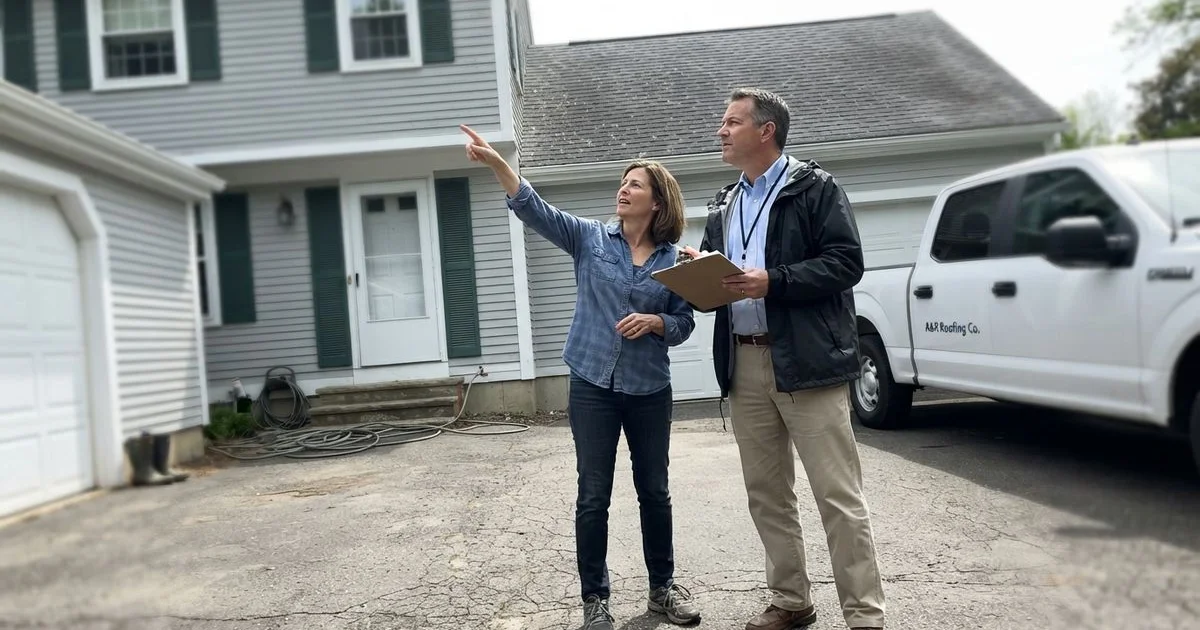
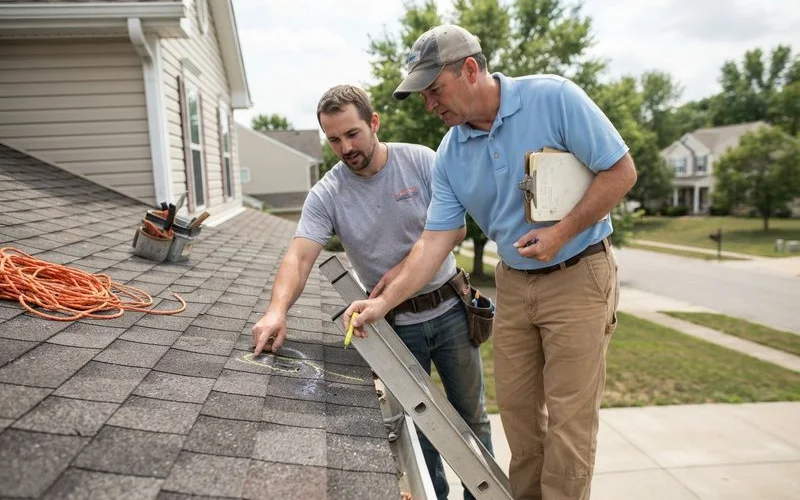
Some roofing contractors offer to meet the insurance adjuster on-site, which can help if the contractor points out damage the adjuster might miss on a quick visual pass. That said, be cautious of any contractor who asks you to sign an assignment of benefits before an inspection has even happened, since that hands over control of your claim and payout. Read anything like that carefully, or skip it, before signing.
It’s also worth asking your contractor directly whether they’ve worked with your specific insurer before. Adjusters from different companies vary in how thoroughly they inspect and how they interpret ambiguous damage, and a contractor who’s navigated that particular insurer’s process before can flag likely sticking points early.
If a claim is denied or underpaid
You can request the adjuster’s full written report and ask specifically what evidence led to the denial or reduced payout. A second, independent roofing estimate documenting the damage in detail sometimes supports an appeal, particularly if the first estimate was thin. Every insurer has a formal appraisal or dispute process; ask your agent directly how to start it rather than assuming the first number is final.
It’s reasonable to request a copy of the specific policy language the denial cites, rather than accepting a summary explanation over the phone. Reading the actual exclusion yourself sometimes reveals room for a legitimate appeal that a verbal denial glossed over, and it gives your contractor something concrete to address if they’re helping you push back.
Before you need to file a claim
Have your roof inspected periodically, especially after major storms, so you have a documented baseline condition on file. A roof inspection report from before storm season gives you something concrete to compare against if damage occurs later, which can strengthen a claim considerably. To sanity-check an adjuster’s numbers, see our guide on what a new roof costs in Connecticut. For more on how contractors are scored on this site, see our methodology, and browse the full directory of providers serving Greater Hartford.
FAQ
- Does homeowners insurance cover a roof leak from wear and tear?
- Generally no. Standard policies cover sudden, accidental damage like a storm or fallen tree, not gradual deterioration from age or lack of maintenance. An insurer can deny a claim if an adjuster determines the damage built up over time.
- Will my insurance pay for a full roof replacement or just the damaged section?
- It depends on the extent of the damage and your policy's terms. Insurers typically pay to repair or replace the damaged area; a full replacement is usually only covered if the damage is widespread enough that a partial repair isn't feasible or won't match.
- Does an older roof affect my coverage or premium?
- Yes. Many insurers apply actual cash value payouts rather than full replacement cost on roofs past a certain age, often around 15 to 20 years, and some decline to write new policies on older roofs entirely without a recent inspection.
- What should I do immediately after storm damage to protect my claim?
- Photograph the damage before any temporary repairs, keep receipts for emergency tarping, and contact your insurer promptly. Delaying the claim can raise questions about whether the damage happened during the storm you're reporting.