
Getting your roof ready for a Connecticut winter
By Hannah Haddad · Updated 2026-07-01
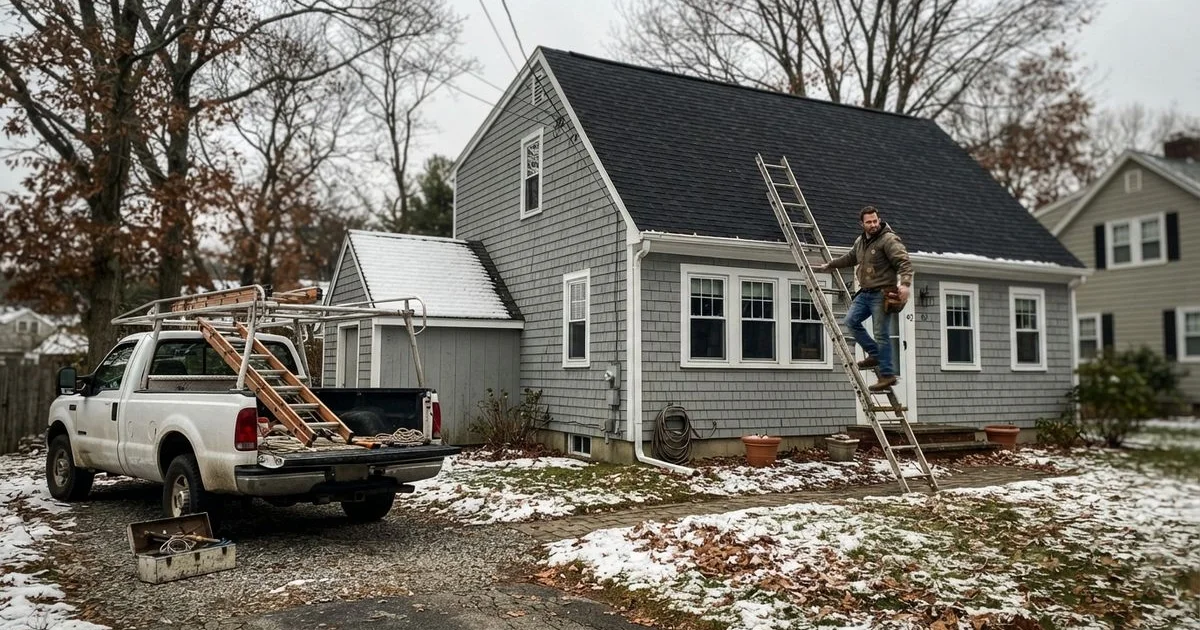
Connecticut winters are hard on roofs in ways summer damage never quite matches: freeze-thaw cycles stress shingles, heavy snow adds structural load, and ice dams back water up under roofing material that handled every other season fine. A few hours of prep in the fall heads off most of the expensive surprises that show up in February.
Clean and check gutters first
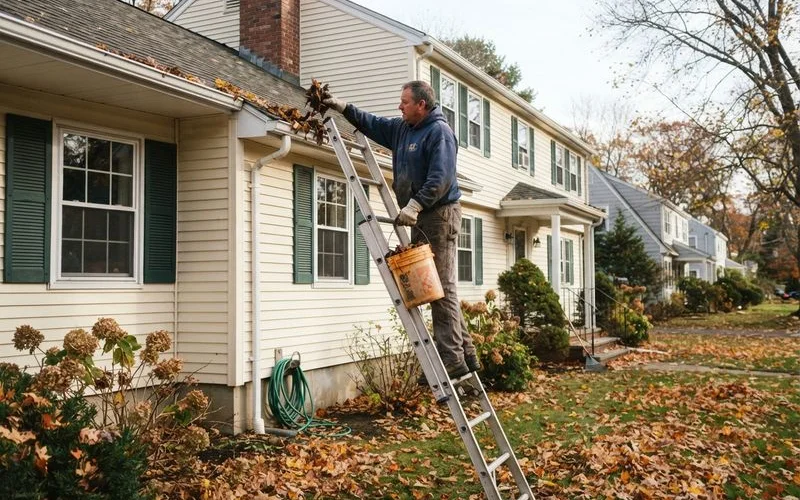
Clogged gutters are the most common, most preventable cause of winter roof problems. When gutters back up with leaves and debris, water has nowhere to go, and it either overflows near the foundation or contributes to ice buildup at the roof edge. Most homes do well with one thorough cleaning after fall leaf drop finishes; homes under heavy tree cover, especially pines dropping needles continuously, often need a second pass a few weeks later. While you’re up there (or hiring someone who is), check that gutters are pitched correctly toward downspouts and that hangers aren’t pulling loose from the fascia.
Inspect for the small stuff that becomes big stuff
A fall walk-around, or better, a professional roof inspection, should check for:
- Cracked, curling, or missing shingles that winter wind and ice can worsen quickly
- Flashing around chimneys, vents, and skylights that’s lifting, cracked, or gapped
- Soffit and ridge vents that are blocked by insulation, debris, or nesting animals
- Any soft spots or sagging that suggest decking damage already in progress
- Tree limbs overhanging the roof that could break under snow or ice load
Catching these before the first snowfall is far cheaper than an emergency call mid-storm.
Attic ventilation and insulation matter more than people think
Ice dams don’t start on the roof surface, they start in the attic. Warm air leaking up from living spaces melts snow on the upper roof, and that meltwater refreezes into a solid ridge once it reaches the colder eaves, backing water up under the shingles. Balanced intake and exhaust ventilation, along with adequate attic insulation, keeps the roof surface more evenly cold and reduces this melt-refreeze cycle significantly. If you’ve had ice dams in past winters, this is usually where the actual fix lives, not just at the roofline itself.
| Winter prep task | Timing | Why it matters |
|---|---|---|
| Gutter cleaning | Late fall, after leaf drop | Prevents overflow and reduces ice dam risk at the eaves |
| Roof inspection | Early to mid fall | Catches shingle, flashing, and decking issues before snow covers them |
| Attic ventilation check | Anytime before winter | Poor airflow is the root cause of most ice dams |
| Tree limb trimming | Fall | Reduces risk of branches breaking under snow or ice load |
| Ice-and-water shield check | During any fall roof inspection | Confirms eaves and valleys have proper protection where ice dams form |
What to do once winter arrives
Once snow is on the roof, resist the urge to climb up and shovel it yourself unless it’s a genuinely low, safely accessible roof; falls from snow-covered roofs are a real and common winter injury. A roof rake used from the ground can safely clear snow from the first several feet of eave, which is usually enough to reduce ice dam risk without anyone getting on the roof at all.
If an ice dam does form despite your prep, resist the temptation to chip at it with an axe or hammer, which can crack shingles underneath. Calcium chloride ice melt placed in a mesh bag laid across the dam can create channels for water to drain, a safer stopgap until a professional can address the underlying ventilation issue once the weather breaks.
Booking ahead of the rush
Roofing contractors get busy fast once the first big storm hits, so scheduling fall inspection and gutter work in September or October, rather than waiting, gets you a better slot and a calmer, more thorough visit. If a leak does get through despite your prep, our guide on emergency roof repair in the first 24 hours covers what to do next. See our methodology for how we score contractors on responsiveness and workmanship, and browse the full directory of providers serving Greater Hartford.
FAQ
- When should I do winter roof prep in Connecticut?
- Late September through November, before the first hard freeze, gives gutters and roofing contractors time to fit you in before the busy season and gives sealants time to cure in mild weather.
- How often should gutters be cleaned before winter?
- Most homes do well with cleaning after fall leaf drop finishes, typically once in late fall. Homes with heavy tree coverage or pine needles nearby often need a second cleaning a few weeks later since debris keeps falling.
- Does attic insulation actually affect ice dams?
- Yes, significantly. Ice dams form when heat escaping through the attic melts roof snow, which then refreezes at the cold eaves. Better attic insulation and air sealing keep the roof surface more evenly cold, reducing the melt-refreeze cycle that causes dams.
- Is a fall roof inspection worth it if the roof looks fine from the ground?
- Yes. Many of the problems that cause winter leaks, worn flashing, gaps in ice-and-water shield, clogged soffit vents, aren't visible from the ground and only show up once someone is actually on the roof or in the attic.