
Free and low-cost roof repair help in Connecticut
By Hannah Haddad · Updated 2026-07-15
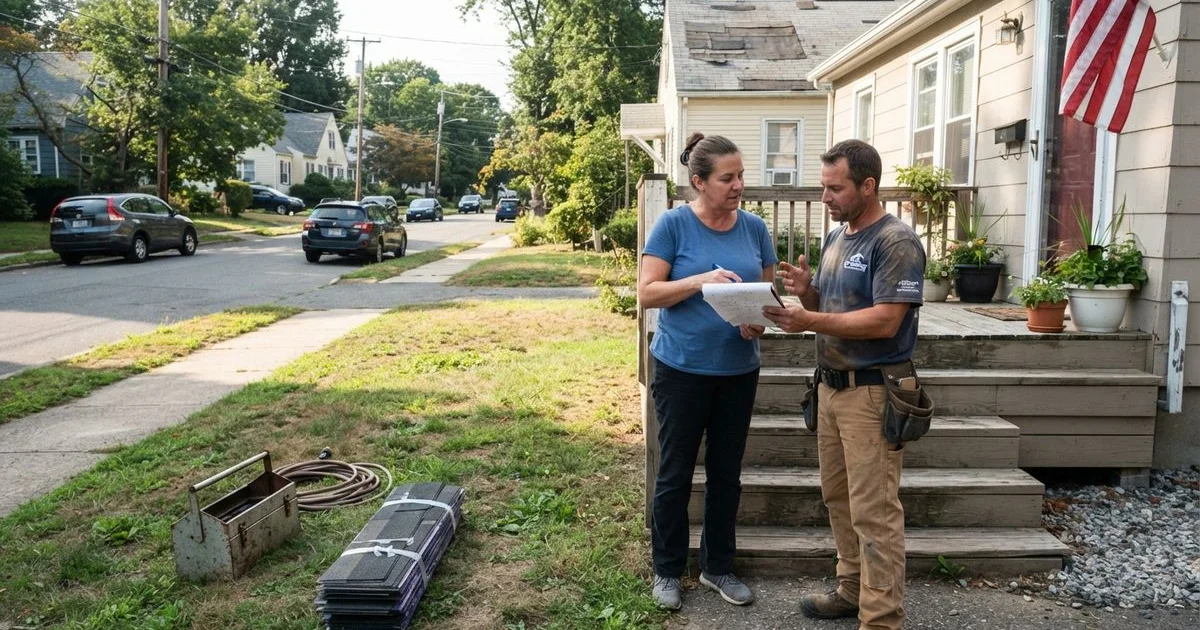
A roof repair quote that’s outside your budget doesn’t mean the only options are paying in full or letting the damage get worse. Several assistance paths exist for Connecticut homeowners, though none of them move as fast as simply paying cash, so it helps to know where to look before an emergency forces the decision.
Weatherization and energy assistance programs
Connecticut’s Weatherization Assistance Program, administered through the state’s Department of Energy and Environmental Protection and local community action agencies, is primarily aimed at improving home energy efficiency, but roof-related work like attic insulation and ventilation repairs can sometimes qualify when they’re tied to energy loss. Eligibility is generally income-based. It’s not a direct roof-replacement program, but if your roof issue involves ventilation, insulation, or ice dam prevention, it’s worth an inquiry.
USDA rural housing repair assistance
For homes in eligible rural areas of Connecticut, the USDA’s Section 504 Home Repair program offers loans and, for homeowners 62 and older, grants for repairs that address health and safety hazards, which can include a failing roof. Income limits and property location eligibility apply, and the application process takes time, so this is a program to start early rather than during an active emergency.
Local and nonprofit repair programs
Some towns and nonprofit organizations run home repair assistance specifically for elderly, disabled, or low-income homeowners, sometimes through volunteer labor paired with donated materials. Capacity is limited and waitlists are common, so applying well before a roof reaches crisis condition improves your odds of getting help before the situation becomes urgent. Your town’s social services or community development office is usually the fastest way to find out what’s actually active locally, since program names and funding change from year to year and a general web search often turns up outdated listings.
Insurance first, assistance second
Before applying anywhere, rule out whether the damage should be an insurance claim instead of an assistance request. Storm, wind, and hail damage typically fall under a standard homeowners policy, while assistance programs are built for gradual wear, aging roofs, or situations where insurance doesn’t apply. Filing with your insurer first, if the damage qualifies, can solve the problem faster than any grant program and doesn’t require proving financial need.
| Program type | Best fit | Typical timeline |
|---|---|---|
| Weatherization Assistance Program | Ventilation, insulation, energy-related roof issues | Weeks to months |
| USDA Section 504 | Rural homeowners, health and safety repairs, seniors | Weeks to months |
| Local/nonprofit repair programs | Elderly, disabled, or low-income homeowners | Often has a waitlist |
| Contractor payment plans | Anyone needing to spread cost over time | Immediate, once approved |
| Personal loan or home equity financing | Active or urgent damage needing immediate repair | Days to a couple weeks |
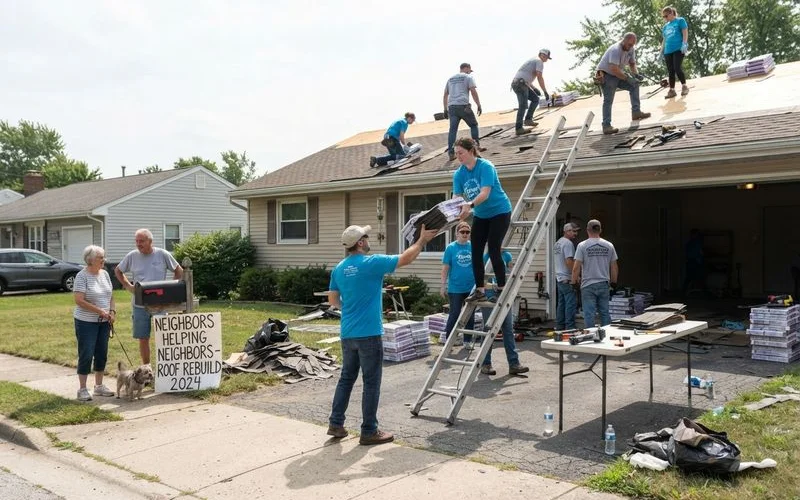
When the damage can’t wait for a grant
Assistance programs take time to process, often longer than an active leak allows. If the damage is urgent, ask contractors directly about payment plans or phased repair, addressing the most critical section now and less urgent work later. Some roof repair contractors are willing to structure a job this way rather than requiring the full scope paid at once. Financing through a personal loan or home equity line is another route, though it’s worth comparing interest costs against how long you’d otherwise wait for assistance approval.
Getting started
Contact your local community action agency for weatherization eligibility, check USDA’s rural development office if you’re in an eligible area, and ask your town’s social services department whether any local repair assistance programs exist. Applying to more than one program at once, rather than waiting on a single answer, improves your odds of getting help before a manageable repair becomes a bigger one.
Keep a simple file of every application, contact date, and response, even informal ones. Assistance programs sometimes ask applicants to reapply or provide updated documentation partway through the process, and having your own record on hand speeds that along instead of starting from scratch each time someone asks. If this is your first time dealing with roof upkeep at all, our first-time homeowner’s guide to roof maintenance covers the basics of staying ahead of costly repairs. Our methodology explains how contractors are scored on this site, and the full directory lists roofing providers serving Greater Hartford.
FAQ
- Are there government programs that pay for roof repair in Connecticut?
- Direct roof-repair grants are limited, but weatherization assistance programs and USDA rural housing repair programs can cover roof work when it's tied to energy efficiency or safety, depending on income eligibility. Availability and criteria vary, so check directly with the administering agency.
- Do nonprofit or church-based repair programs actually do roofing work?
- Some do, particularly for elderly, disabled, or low-income homeowners, but capacity is limited and waitlists are common. These programs are worth applying to early rather than waiting until a leak is already active.
- Is financing a better option than waiting for grant approval?
- Often, yes, if the damage is active and worsening. Grant and assistance programs can take weeks or months to process, while financing (through a contractor, a personal loan, or a home equity line) gets the repair done immediately, with the tradeoff of interest cost.
- Can I negotiate roof repair costs directly with a contractor?
- Some contractors offer payment plans or will prioritize the most urgent portion of a repair to fit a tighter budget. It's worth asking directly rather than assuming the full quoted price is the only option.