
A first-time homeowner's guide to roof maintenance
By Hannah Haddad · Updated 2026-07-17
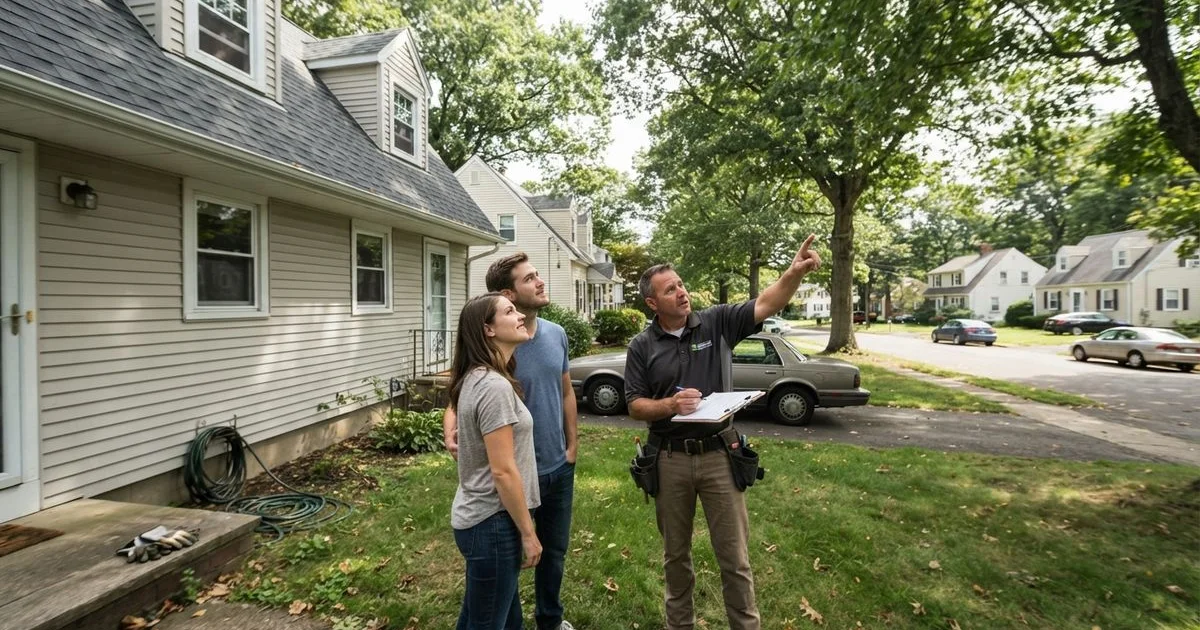
Buying a home comes with a stack of systems to learn: the furnace, the electrical panel, the plumbing, and the roof, which is easy to overlook simply because it’s the one system you rarely see up close. A little roof literacy in your first year as a homeowner heads off a lot of expensive surprises later.
Find out how old your roof actually is
This is the first thing to nail down, and it’s often buried in paperwork you already have. Check your home inspection report and seller disclosure from the purchase for any mention of roof age or a past replacement date. If that’s unclear, your town’s building department may have a permit record showing when the roof was last replaced, since most towns require a permit for that work. Knowing the age tells you roughly where you stand: a standard asphalt shingle roof typically lasts 20 to 30 years in this climate, so a 25-year-old roof is a different conversation than a 5-year-old one.
Get a dedicated inspection early on
A general home inspection, especially one done quickly before closing, doesn’t always dig deeply into roof condition and remaining lifespan. A separate, focused roof inspection in your first few months of ownership gives you a real baseline: shingle condition, flashing integrity, attic ventilation, and any early warning signs. This is worth doing even if the inspection report didn’t flag anything, since roof issues aren’t always visible from a quick walk-around.
The maintenance basics nobody explains up front
- Gutter cleaning, twice a year. Once after spring pollen and debris settle, once after fall leaf drop. More often under heavy tree cover.
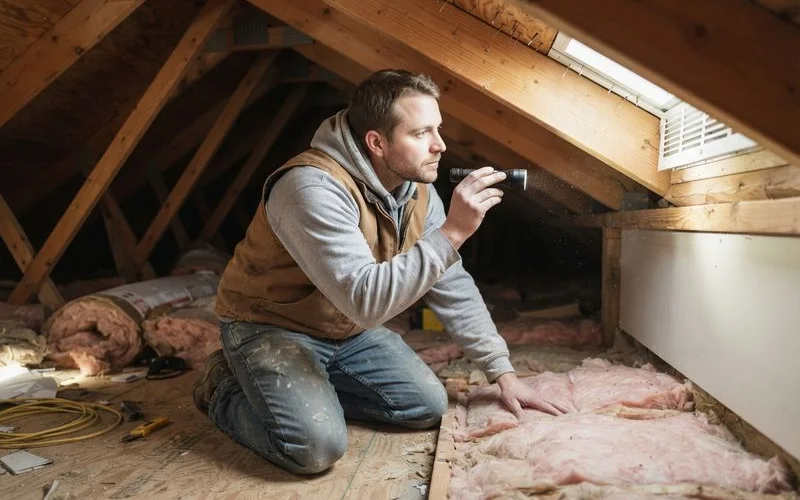
- Attic ventilation check. Poor airflow shortens shingle life and causes ice dams in winter. This is often the single most overlooked issue in older homes.
- Post-storm walk-around. After any major wind or hail event, a quick visual check from the ground, or a professional inspection if anything looks off, catches damage before it becomes a leak.
- Trim overhanging branches. Reduces debris buildup in gutters and the risk of limb damage during storms.
| Task | Frequency | Why it matters |
|---|---|---|
| Gutter cleaning | Twice a year | Prevents overflow and reduces ice dam risk |
| Roof inspection | Annually, or twice yearly if older | Catches shingle and flashing wear before it becomes a leak |
| Attic ventilation check | Once, then periodically | Directly affects shingle lifespan and ice dam risk |
| Post-storm check | After any major storm | Catches wind or hail damage early |
Warning signs worth learning now, before you need them
Granule buildup in the gutters, curling or cracked shingles, daylight visible through the attic roof boards, and any water staining on ceilings are all signs worth recognizing early rather than discovering by accident. None of these require expertise to notice, just knowing what to look for.
Budgeting for a roof you didn’t choose
Unless you built the house yourself, you inherited someone else’s material choices and someone else’s maintenance habits, good or bad. If the roof is already past 15 years old, it’s worth setting aside a modest amount each year toward an eventual replacement rather than being caught off guard by a five-figure expense. A rough sense of remaining lifespan, from your dedicated inspection, turns that into a plannable expense instead of an emergency.
It also helps to ask the inspector directly what a realistic timeline looks like, not just a pass or fail verdict. A roof with five good years left calls for a different savings plan than one that could need attention within the next year or two.
Building a relationship with a contractor before you need one
It’s easier to vet a roofing contractor calmly, on your own timeline, than to scramble for one during an active leak. Getting a baseline inspection from a company you’re comfortable with means you already have someone to call if something comes up later, rather than starting from scratch during an emergency. If a repair turns out to be more than your budget can absorb right away, our guide to free and low-cost roof repair help in Connecticut covers assistance programs worth checking first. Our methodology explains how contractors are scored on this site, and the full directory lists roofing providers serving Greater Hartford.
FAQ
- How do I find out how old my roof actually is?
- Check your home inspection report or seller disclosure from the purchase, ask the previous owner directly if you have contact, or look for a permit record with your town's building department, which often lists the date of the last roofing job.
- How often should a new homeowner get a roof inspection?
- Once when you first move in, if it wasn't covered in enough detail during the home inspection, and then annually after that, or twice a year if the roof is older or you've had a major storm.
- What's the single most important thing to check as a new homeowner?
- Attic ventilation and insulation. Poor ventilation shortens shingle life and causes ice dams in winter, and it's an inexpensive problem to fix compared to the damage it causes if ignored for years.
- Should I worry if the previous owner didn't mention any roof issues?
- Not necessarily, but a home inspection report focused on immediate safety issues doesn't always dig into roof age or remaining lifespan in detail. It's worth a dedicated roof inspection early on rather than assuming no news is good news.